Why You Shouldn't Touch Your Face on a Plane (And How to Hydrate Skin Anyway)
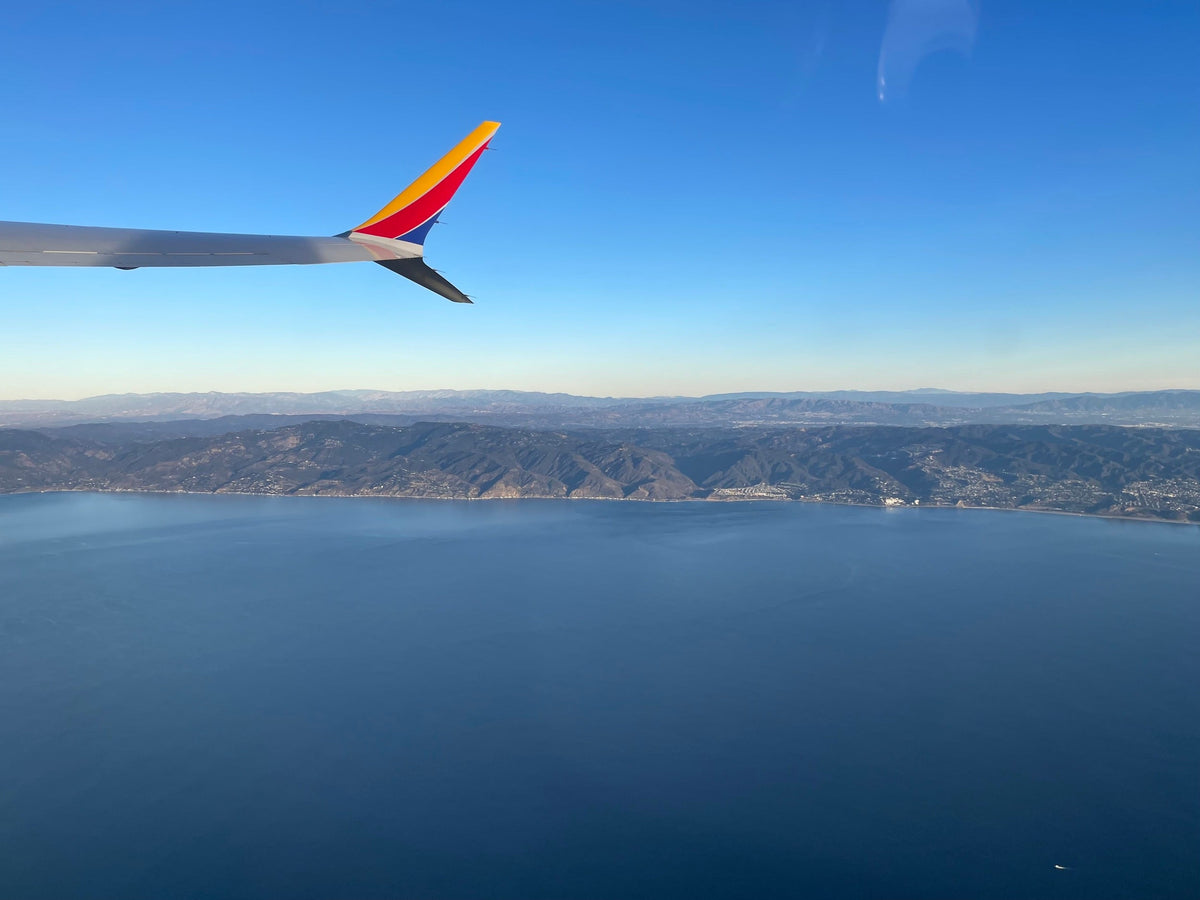
I've walked off a five-hour flight at LAX and seen that specific, gray, tired look in the terminal mirror. It's not just jet lag. It's the result of sitting in a pressurized tube where the humidity regularly drops below 10 percent, roughly the same range as a desert.
Most advice for this problem focuses on the dryness alone: pack a rich moisturizer, apply it to your face mid-flight, reapply after landing. That's reasonable advice as far as it goes. But it skips over a second problem that's just as real, and one most in-flight skincare articles mention only in passing.
The Quick Answer Why does flying dry out your skin, and what can you actually do about it mid-flight? Cabin air sits at 10 to 20 percent humidity, well below what your skin is used to, and that dryness pulls moisture out over the course of a flight. Most advice suggests moisturizing before, during, and after your flight, but applying a hand-rubbed cream mid-flight means touching your face with hands that have likely just touched a tray table or armrest, two of the most contaminated surfaces on a plane. A touchless spray solves both problems at once: it hydrates without requiring your hands to touch your face at all.
The Real Tension: Hydration vs. Hygiene
Most travel and skincare advice agrees on the basics: wash your hands, use sanitizer, and try not to touch your face too often mid-flight. That's sound guidance. One widely cited study found airplane tray tables carry more bacteria per square inch than a lavatory flush button, and armrests and seatback pockets aren't far behind.
But that advice creates a real contradiction. Your skin is losing moisture the entire flight, and the standard fix, a hand-applied cream or lotion, requires touching your face with hands that have likely just been on one of those surfaces. Skipping skincare avoids the contact risk but leaves your skin dry by the time you land. Neither option fully solves the actual problem.
Why Touchless Application Actually Matters Here
A fine mist applies directly to your skin without your palms ever making contact with your face. That's a genuine advantage in this specific setting, not just a convenience. You can hydrate mid-flight without dirty hands touching your face, and without reaching for a sanitizer that's often drying and strongly scented.
It also solves a second, smaller annoyance: no residue transferring to your phone, tray table, or seatbelt buckle afterward, since there's nothing left on your hands to begin with.
What This Looks Like in Practice
The Sea, our marine-fermented daytime spray, is built for exactly this kind of active, moving-through-your-day use. A light mist shortly after takeoff and again mid-flight replaces moisture as the cabin air pulls it away, without requiring a sink, a mirror, or clean hands to apply.
The Earth's ionic mineral actives can follow to help support the skin's surface through a longer flight, again without touching your face by hand.
The Simple Version
You don't have to choose between dry skin and touching a contaminated tray table. A touchless spray removes that tradeoff entirely, no need to wash or sanitize your hands first, just hydrated skin without any of it.
Explore The Sea and The Earth for travel days that don't require a sink to keep your skin hydrated.
Frequently Asked Questions
Does airplane air actually dry out your skin?
Yes. Cabin humidity typically drops to 10 to 20 percent, well below the 30 to 60 percent most people find comfortable. That dry air pulls moisture from your skin over the course of a flight, which is why skin can feel tight, dull, or flaky by the time you land.
How dirty are airplane tray tables, really?
Dirtier than most people expect. One widely cited study found tray tables carried more bacteria per square inch than an airplane lavatory flush button. Armrests, seatback pockets, and tray tables are consistently named among the most contaminated surfaces on a plane.
Can I moisturize on a plane without touching my face?
Yes, with a touchless spray format. A fine mist applies directly to the skin without your hands ever making contact with your face, which means you can hydrate mid-flight without transferring anything from the tray table or armrest along with it.
Is it better to skip skincare on a flight entirely?
Not necessarily. Skipping skincare avoids the germ risk but leaves your skin exposed to hours of moisture loss. The Sea, a touchless hydration spray, solves this by letting you hydrate without touching your face with your hands at all.